

Dutch Kingdom
The Kingdom of the Netherlands
The Kingdom of the Netherlands consists of four countries: the Netherlands, Aruba, Curaçao, and Sint Maarten and the special municipalities of Bonaire, Sint Eustatius, and Saba. Together, they form a single political entity with separate responsibilities and a shared history. This shared history is closely linked to the history of slavery. From the transatlantic slave trade to its abolition in 1863, the traces and consequences are visible in all parts of the Kingdom. They live on in communities, stories, social structures, and public debate.
Together, Building the Future
The Slavery Memorial Committee brings together dedicated representatives from across the Kingdom, uniting diverse voices from European Netherlands and the Caribbean. The Committee operates free from political influence and offers a platform for local initiatives, intergenerational dialogue, and inclusive commemoration.
The Committee and its partners unite around a shared purpose: to honor the history of slavery through meaningful remembrance, recognition, and education—while giving space to multiple voices, experiences, and futures. Whether through national commemorations, local initiatives, or immersive exhibitions like the Curaçao-based AI-powered showcase, this collaboration embodies both remembrance and proactive change. The Committee collaborates closely with key partners who strengthen our mission:
Filters
-
Local Organizations and Communities
The Committee engages directly with local communities and cultural organizations across the Kingdom, fostering island-specific and cross-island collaborations rooted in each region’s unique stories and traditions
-
Government Ministries
The foundation was established following the Dutch government’s formal apology for slavery and is supported through the Ministry of the Interior and Kingdom Relations, along with consultation from Ministries of Foreign Affairs and Education, Culture & Science.
-
NiNsee (Nationaal Instituut Nederlands Slavernijverleden en Erfenis)
This national institute works hand-in-hand with the Committee in organizing the Nationale Herdenking Slavernijverleden on July 1 in Amsterdam, with an officially established joint coordination continuing through at least 2027
Overview Specific Contexts
Keti Koti and Emancipation Day
Keti Koti, which means ‘broken chains’ in Sranantongo, is the annual commemoration and celebration of the abolition of slavery on July 1, 1863, in Suriname and the Caribbean part of the Kingdom.
During the commemoration, we remember the millions of enslaved people who suffered under colonial oppression, as well as their resistance and resilience.
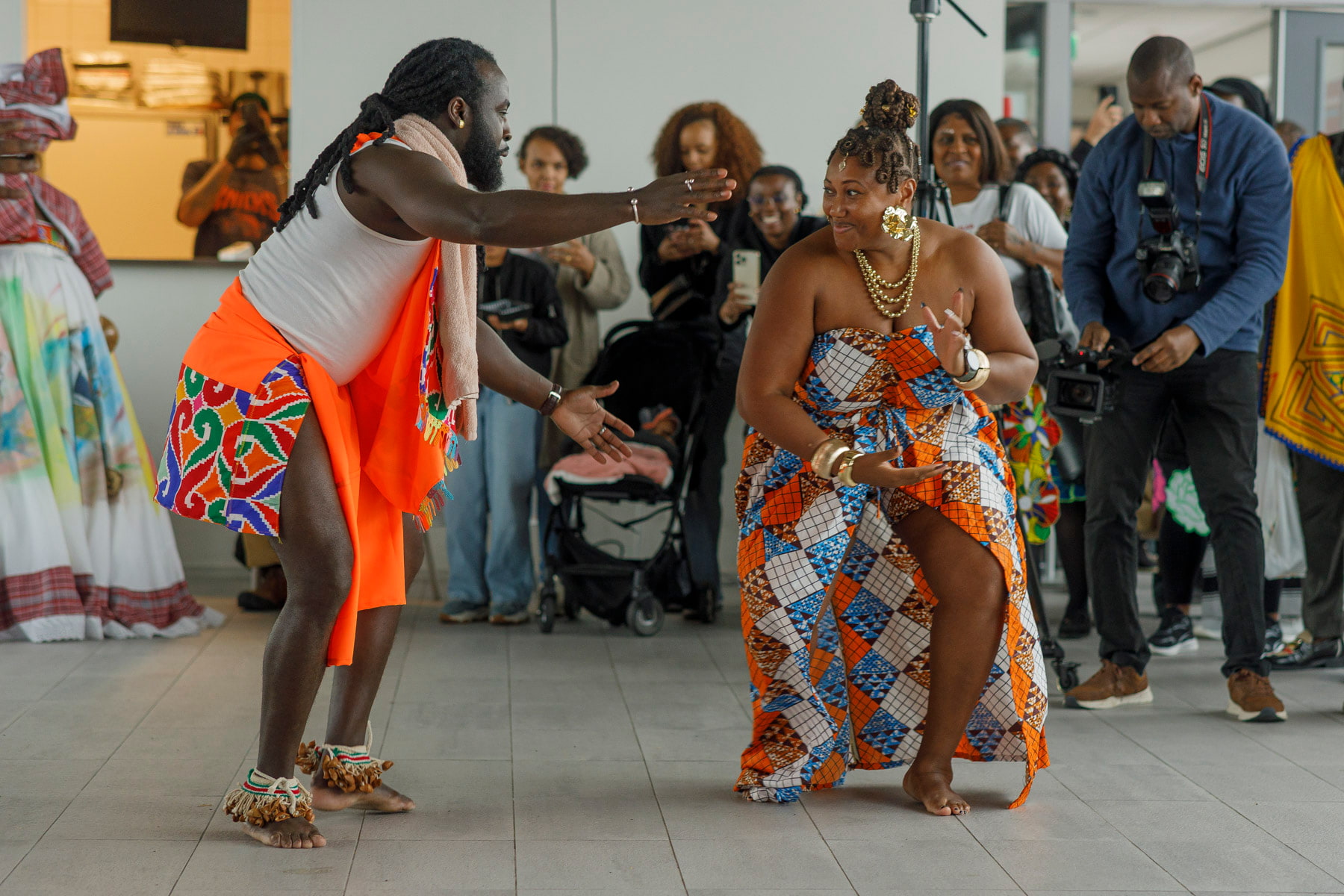
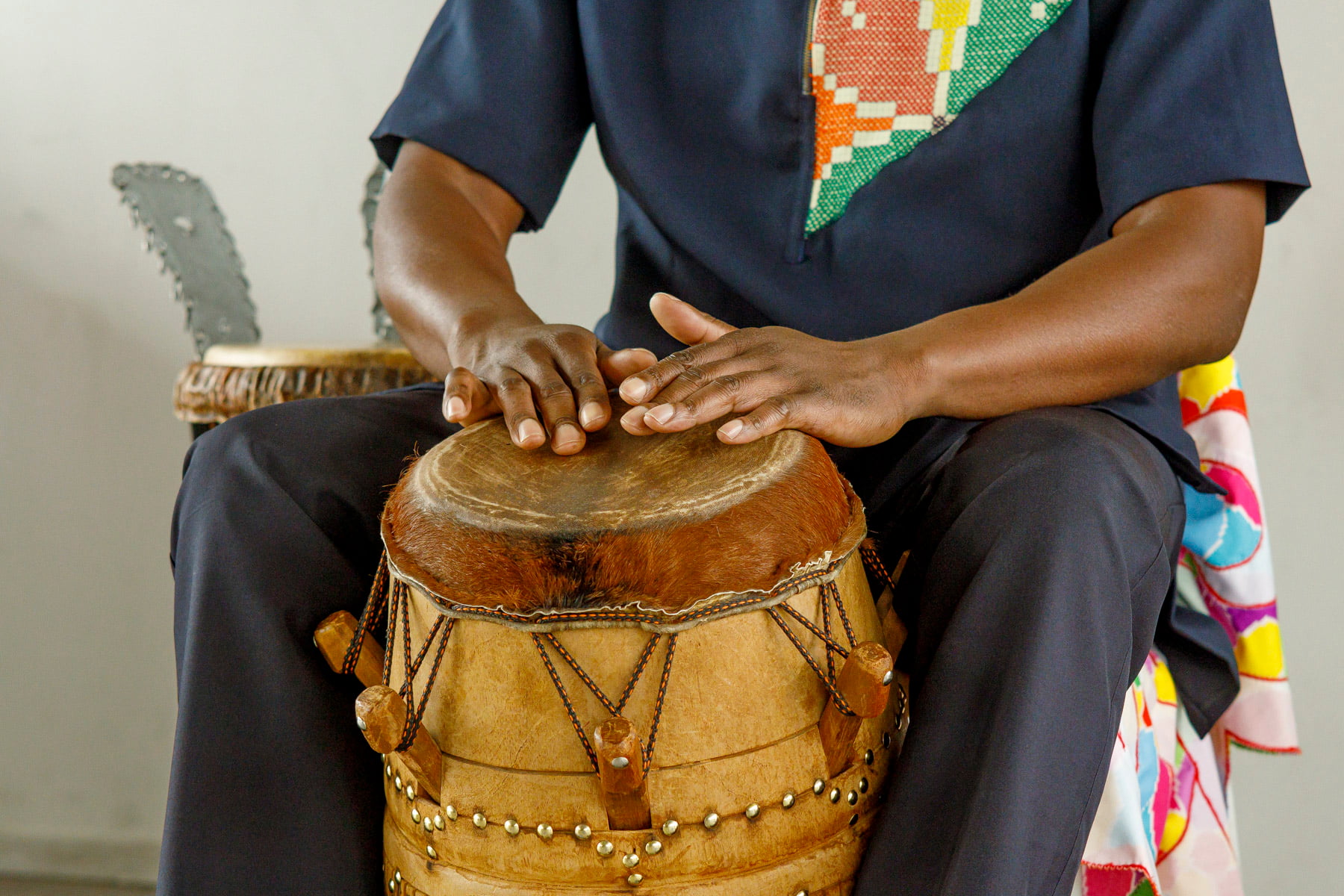
At the same time, Keti Koti is also a celebration of freedom and cultural survival with music, dance, stories, rituals, and togetherness. It is a day of recognition, healing, and connection between generations. Keti Koti reminds us that freedom can never be taken for granted and that we share responsibility for a just future.


Commemoration of Tula
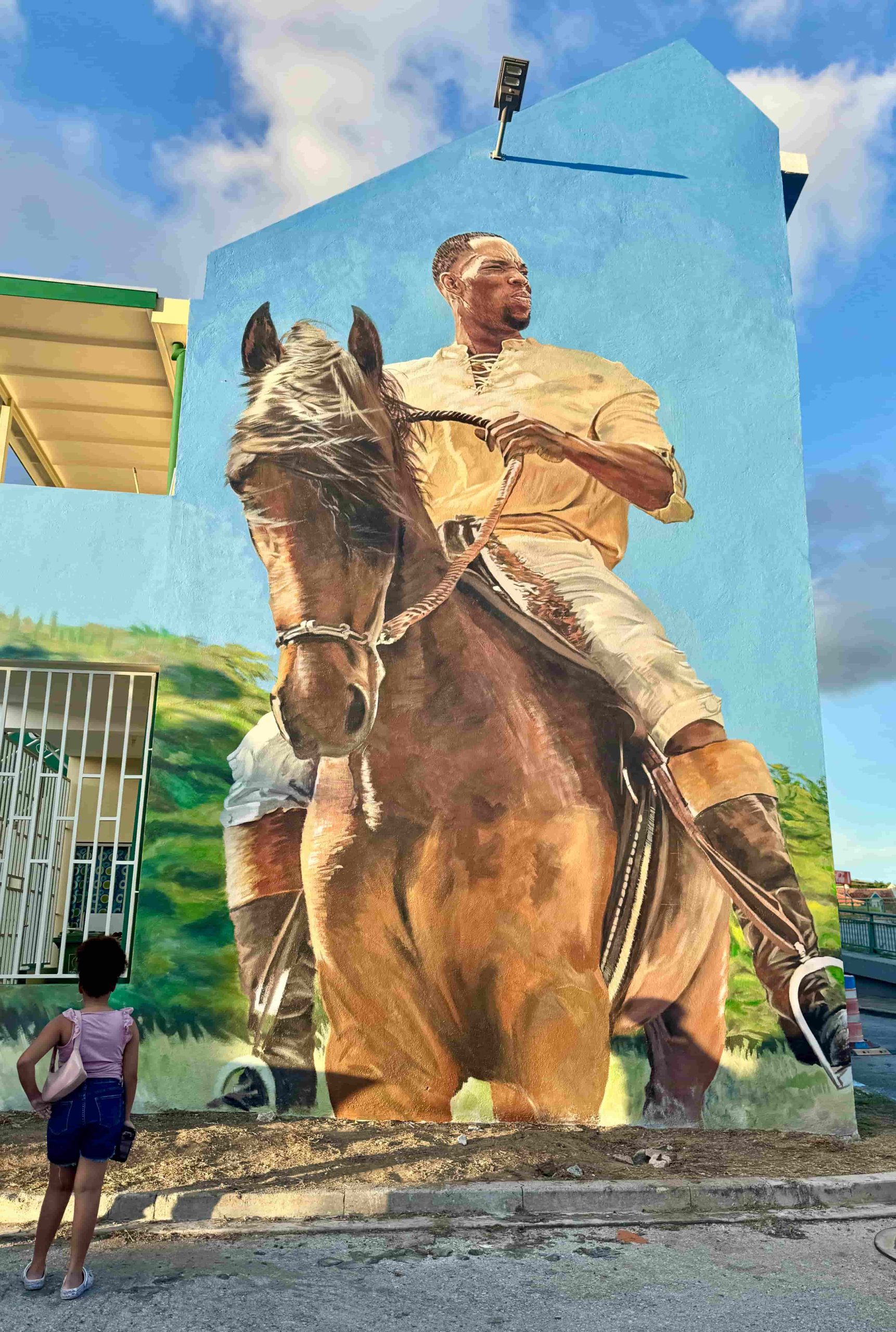
August 17 commemorates the 1795 uprising led by Tula, leader of the largest slave rebellion on Curaçao. Tula fought for freedom, equality, and humanity. Values that ultimately cost him his life. After weeks of resistance, he was captured, tortured, and executed on October 3, 1795.
His resistance was long ignored, but lives on as a symbol of the struggle against injustice. In 2010, Tula was recognized as a national hero of Curaçao. In 2023, he was officially rehabilitated by the Dutch government.
The commemoration, known as Dia di Tula, is a moment of reflection, pride, and recognition. Commemorations take place in Curaçao and the Netherlands with lectures, music, rituals, and education. Tula’s legacy reminds us of the power of resistance and the importance of freedom.

Marron Day
Marron Day is celebrated annually on October 10 as a tribute to the Maroon communities in Suriname and French Guiana. The day marks the historic peace treaties between Marron tribes and the Dutch colonial administration, beginning in 1760.
It is a day of remembrance and celebration of freedom, resistance, and cultural continuity. Through dance, music, lectures, and traditional rituals, the resilience of Marron ancestors and their legacy are commemorated.
Since 2015, Marron culture has been recognized as intangible cultural heritage of the Netherlands. Festivities surrounding this meaningful day also take place annually in cities such as Amsterdam, Rotterdam, Tilburg, and The Hague. Marron Day stands for pride, connection, and the power of remembrance.