





About the Committee
Vacancies
NEW VACANCY – Director of the Slavery Memorial Committee
The Slavery Memorial Committee was established by the Minister of the Interior and Kingdom Relations as part of the broader recognition of the Kingdom of the Netherlands’ history of slavery and its impact on the present day.
It is an independent foundation that receives an annual subsidy from the Ministry of the Interior and Kingdom Relations. We are looking for a director for the foundation’s working organization in The Hague.
Read more about the profile we are looking for, the recruitment procedure, and how to apply here (closing date is Sunday, November 9th).
Composition & work organization
The Board
-
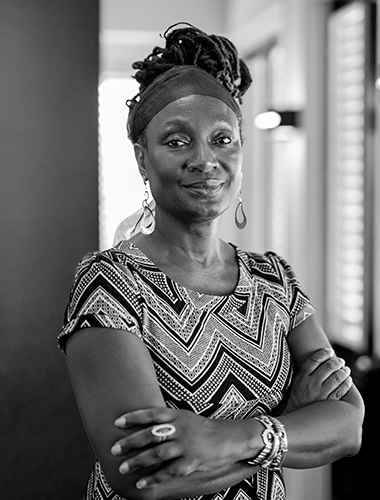

Chair
Astrid Elburg
Astrid Elburg is chair of the Commemoration Committee and an organizational consultant with expertise in inclusive leadership.
-
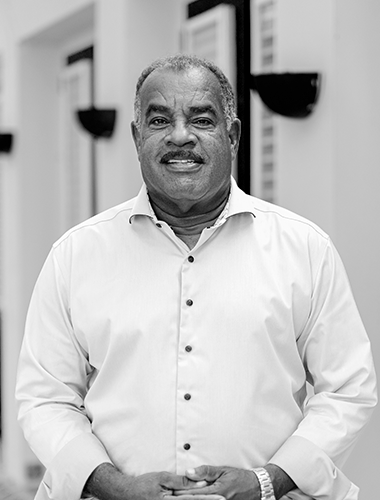

Treasurer, Representative of Bonaire
Nolly Oleana
Nolly Oleana is the former governor of Bonaire. In February 2025, he was nominated as a board member of the Memorial Committee.
-
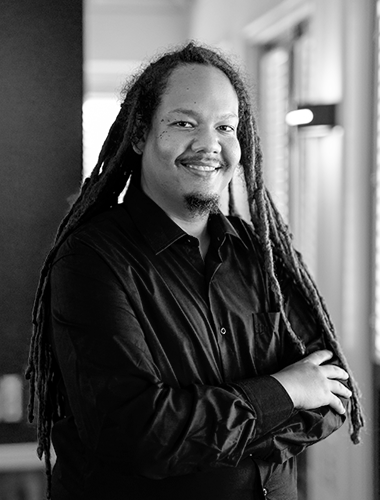

Secretary, Representative of Saba
Dimetri Whitfield
Dimetri Whitfield is an anthropologist and journalist specializing in colonial history and social participation. He represents the Commemoration Committee since 2025.
-
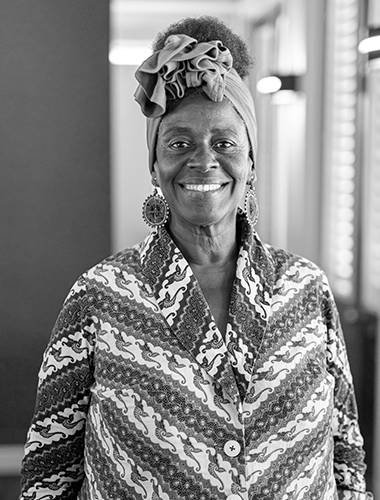

Representative of Sint Maarten
Clara Reyes
Clara Reyes is head of the Culture Department at the Ministry of Education, Culture, Youth, and Sports of Sint Maarten.
-


Board member, Representative for Aruba
Gregory Richardson
Gregory Richardson is an Aruban cultural anthropologist, lecturer and researcher.
-
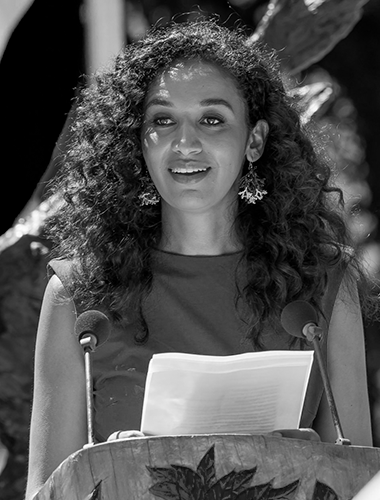
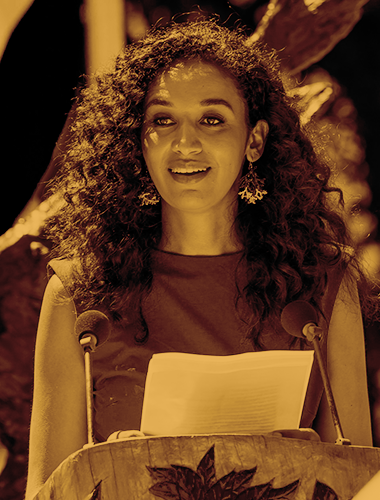
Representative of NiNsee
Wendeline Flores
Wendeline Flores is a historian and curator with expertise in Caribbean cultures, colonial history, and the history of slavery.


The work organization
-
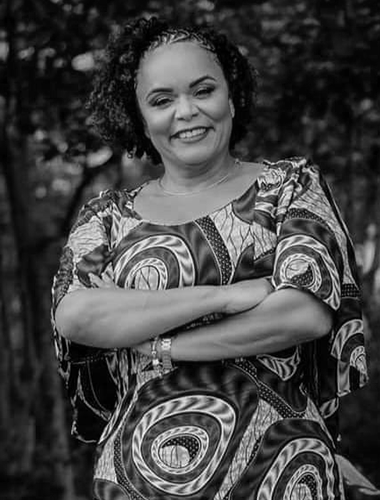

Director Caribbean part of the Kingdom, Based in Curaçao
Lucia Beck
Lucia Beck has been leading the committee’s activities in the Caribbean part of the Kingdom since January 2025.
-


Director of the working organization of the Slavery Memorial Committee
Paulo Martina
Paulo Martina took up his position as director of the working organization of the Slavery Memorial Committee on May 1, 2026.


Working method & core values

Our mission
The Slavery Memorial Committee stands for connection, recognition, and responsibility. We bring people and communities together, from Aruba to Amsterdam. We promote discussion about the history of slavery and its impact on the present.
Our vision
Integrity and transparency are central to our actions. We strive for a safe and respectful environment in which everyone involved feels taken seriously. In doing so, we remain true to our mission and dare to stay the course, even when that requires critical reflection and courageous choices.
Working method
Even when it is uncomfortable, we engage in dialogue. We listen attentively, give space to diverse voices, and contribute to a shared historical consciousness. Acknowledging discomfort, recognizing pain, and contributing to healing are central principles in this process.
Our values
Integrity, equality, and transparency are paramount in our actions. In this way, we build lasting awareness, mutual respect, and social growth within the Kingdom.
